
WRB 101: What a Weather-Resistant Barrier Does (and Doesn’t)
Elegant Enterprises · Salem, Oregon
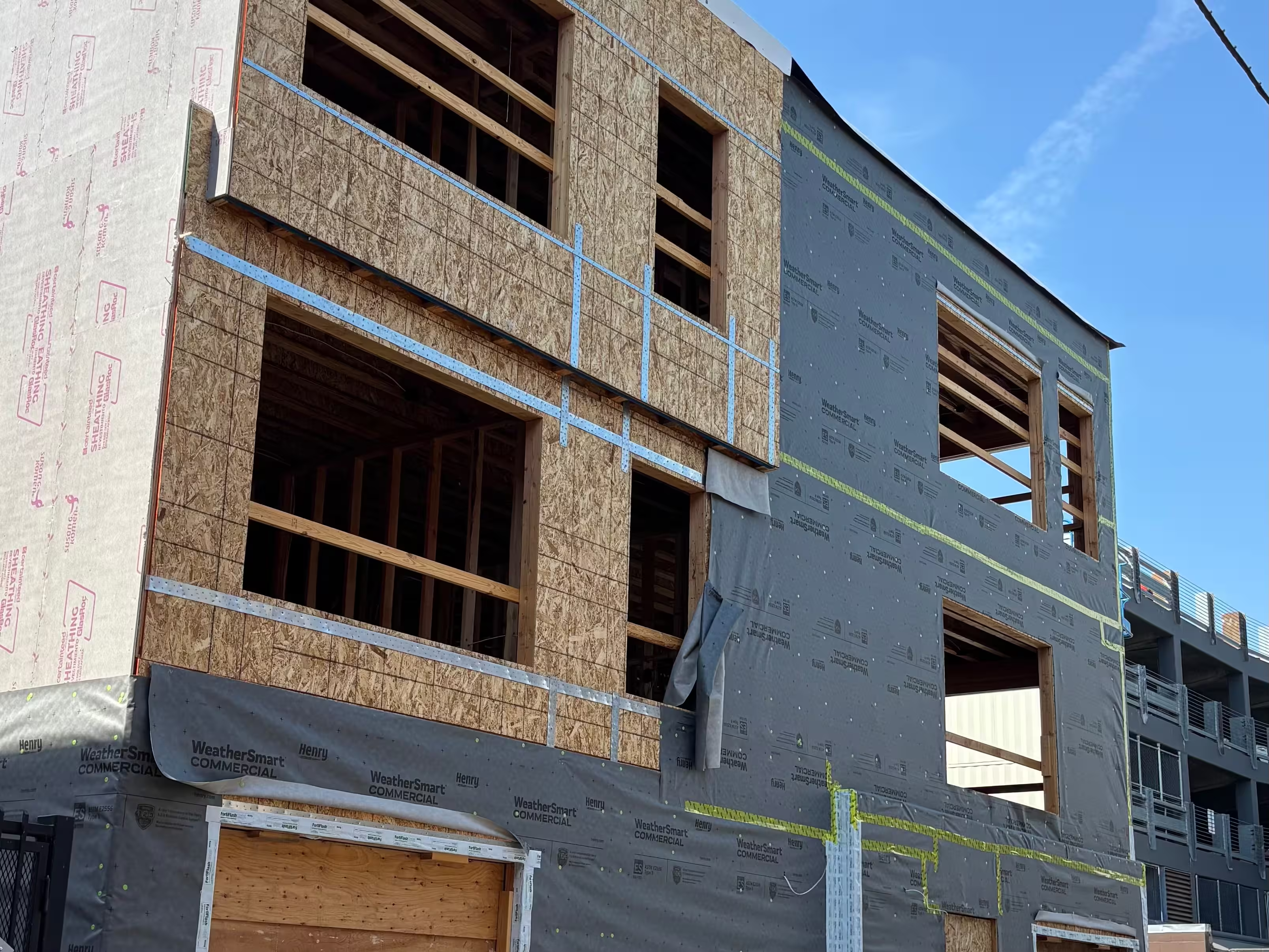
TL;DR: A weather resistant barrier (WRB) is the hidden layer behind your siding or stucco that keeps rain and air out of your exterior walls, and it's one of the most important details in any exterior project. This guide covers what a WRB does, what it doesn't do, and how to get it right.
- A WRB catches wind-driven rain that gets past your cladding and drains it away from the sheathing and wall cavity.
- Weather resistant, weather resistive, and water-resistive barrier all refer to the same layer.
- A WRB is not a vapor barrier: it blocks liquid water while its vapor permeability lets walls dry outward.
- The main weather resistant barrier types include building paper, housewraps, self-adhered and fluid-applied membranes, and integrated sheathing.
- Installation quality matters more than the product, especially flashing integration and proper shingle-style laps.
Here in the Pacific Northwest, we build for rain. Your siding or stucco takes the first hit, but the layer doing the critical work sits just behind it: the weather-resistant barrier. It's the part of your exterior wall you'll never see once the project is finished, and the part that determines whether your walls stay dry for decades or start rotting from the inside out.
At Elegant Enterprises, we've opened up enough walls across Oregon and Washington to know exactly what happens when this layer is missing, damaged, or installed carelessly. So let's break down what a WRB (weather resistant barrier) actually does, what it doesn't do, and why the difference matters for your home or commercial building.
What Is a Weather-Resistant Barrier?
A weather resistant barrier, sometimes called a weather resistive barrier, a water-resistive barrier, or simply a weather barrier, is a protective layer installed over your wall sheathing and behind your cladding. If you've heard all of those terms and wondered whether they're different products, here's the honest answer: they're essentially the same thing. Building codes use the phrase "water-resistive barrier," manufacturers often say "weather-resistant barrier," and contractors shorten all of it to WRB. Whatever you call it, the purpose is identical.
And that purpose is simple: no cladding is perfectly watertight. Wind-driven rain finds its way behind siding, brick, and stucco through joints, fasteners, and capillary action. The WRB is your second line of defense. It catches the water that gets past the cladding and drains it down and out, keeping it away from the sheathing, framing, and insulation inside the wall cavity.
What a Weather Barrier Keeps Out
A properly installed weather barrier keeps two things out of your home: bulk water and, in most modern assemblies, unwanted air.
Water is the obvious one. The PNW sees its fair share of rain, and every drop that reaches your sheathing and lingers there is a down payment on rot, mold, and structural repairs. The WRB sheds that water before it can soak in.
Air is the one most people overlook. Many WRB products also resist air infiltration, which means fewer drafts, more stable indoor temperatures, and lower energy bills. When your exterior wall leaks air, it also carries moisture-laden air into the wall cavity, and in our climate, that's asking for trouble.
What a WRB Doesn't Do
Here's where a lot of confusion lives, so let's clear it up.
- A WRB is not a vapor barrier. This is the single most important distinction in wall design. A vapor barrier is a vapor-impermeable layer, such as polyethylene sheeting, designed to stop water vapor from diffusing through the wall. A WRB, by contrast, is designed with high vapor permeability. It blocks liquid water while still allowing water vapor to pass through, so any moisture that does get into the wall cavity can dry to the exterior. Wrap a wall in something vapor impermeable in the wrong location, and you can trap moisture inside the assembly — the exact problem you were trying to prevent.
- A WRB won't fix bad flashing. Windows, doors, and penetrations are where most leaks start. If the flashing isn't properly integrated with the barrier, lapped shingle-style so water always flows over and never behind, the best product on the market won't save the wall.
- A WRB isn't structural, and it isn't forgiving. Tears, unsealed fastener holes, reversed laps, and sloppy seams can turn a drainage plane into a water trap. Installation quality matters more than the label on the roll.
Where Does the Weather Barrier Go?
The weather resistant barrier goes on the exterior side of your wall sheathing, directly behind the cladding. It wraps the entire exterior wall and integrates with flashings at every window, door, and penetration. On stucco systems, one of our specialties, code typically requires a two-layer approach behind the lath, because stucco bonds to the outer layer while the inner layer remains a free-draining plane. It's a detail plenty of crews rush. We don't.
Weather-Resistant Barrier Types
There are four main weather resistant barrier types you'll encounter:
- Building paper. Asphalt-saturated felt and Grade D paper are the traditional options, still common behind stucco and proven over a century of use.
- Mechanically fastened housewraps. The familiar plastic-looking wraps offer excellent vapor permeability, light weight, and fast coverage when seams and laps are done right.
- Self-adhered and fluid-applied membranes. These fully adhere to the sheathing, eliminating fastener holes and creating a continuous air and water barrier. They cost more and demand skilled application, but they're outstanding performers.
- Integrated sheathing systems. Panels with a factory-applied WRB streamline installation, with taped seams doing the sealing work.
So What's the Best Weather-Resistant Barrier?
The honest answer: the best weather resistant barrier is the one matched to your cladding, your climate, and your building, installed by people who sweat the details. A mid-grade wrap installed flawlessly will outperform a premium membrane installed carelessly, every time. In the wet Willamette Valley, we lean toward assemblies with generous vapor permeability and robust drainage, because our walls need every opportunity to dry.
Built Right, From the Inside Out
The WRB is the layer nobody sees and everybody depends on. It's also where corner-cutting hides, until the water damage shows up years later. At Elegant Enterprises, we've built our reputation on doing the invisible work as carefully as the finish work, because your exterior should protect your investment as beautifully as it presents it.
Planning a re-side, a stucco project, or a full exterior renovation? Reach out for a free estimate. We'll make sure what's behind your walls is as elegant as what's on them.
CCB# 154927 · 5,000+ projects · Est. 1998