
TL;DR: Stucco can last decades when properly installed and maintained. Its longevity depends largely on moisture control, routine inspections, and timely maintenance.
In this guide, you’ll learn:
- The average lifespan of stucco (traditional vs. synthetic systems)
- What impacts how long stucco lasts on a property
- Key warning signs that signal repair or replacement
- Essential stucco maintenance best practices
- How to protect your investment and avoid premature replacement
Stucco has long been one of the most durable and visually appealing exterior finishes available to homeowners.
When properly installed and maintained, stucco performs particularly well in a variety of climates. But one of the most common questions is: how long does stucco last?
There's no one single answer. It depends on several factors, which we’ll explore below, along with tips to extend its lifespan and avoid premature replacement.
The Average Lifespan of Stucco
When asking how long stucco laststhe short answer is: longer than many other siding materials.
Traditional cement-based stucco typically lasts between 50 and 80 years. In many cases, they can even last longer with proper care. Some well-maintained stucco exteriors have exceeded a century of service life.
Synthetic stucco systems, such as EIFS (Exterior Insulation and Finish Systems), can last between 50 and 80 years, depending on installation quality and moisture management.
Overall, several factors influence stucco's lifespan, including:
- Quality of the original installation
- Proper moisture barriers and flashing
- Properly installed incorporated rainscreen/drainage systems
- Consistency with stucco maintenance
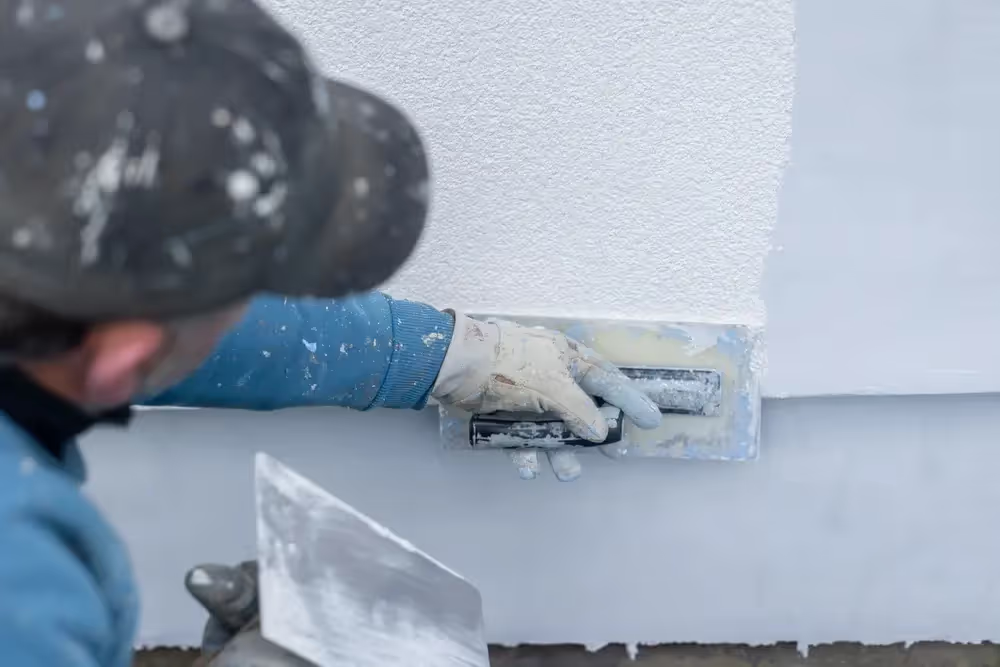
Outside of the material’s inherent properties, professional installation plays a critical role. Elegant Enterprises understands the importance of proper curing time, precise expansion joint placement, and a fully functioning drainage plane—each of which significantly impacts stucco performance under real-world conditions. Here's an example of one of our projects.
Stucco Replacement Timelines and Long-Term Expectations
Stucco rarely requires replacement if properly cared for. In most cases, issues are localized and can be resolved through targeted stucco repair. There's no need to remove the entire system.
At Elegant Enterprises, we believe complete replacement is typically only necessary when:
- The underlying roof or framing has deteriorated
- Large sections have delaminated or separated from the wall
- Installation errors cause systemic failure
In most cases, routine inspections and proactive repairs prevent these larger issues from developing. Rather than natural material failure, neglected water damage is a more significant contributor to how long stucco lasts.
Before committing to full replacement, a professional inspection using moisture meters or infrared scanning can determine whether localized stucco repair is sufficient.
3 Signs That Stucco Needs Repair or Replacement
Recognizing early warning signs is key to preserving the stucco's lifespan. Many issues begin small and worsen over time if ignored.
1. Surface-Level Signs
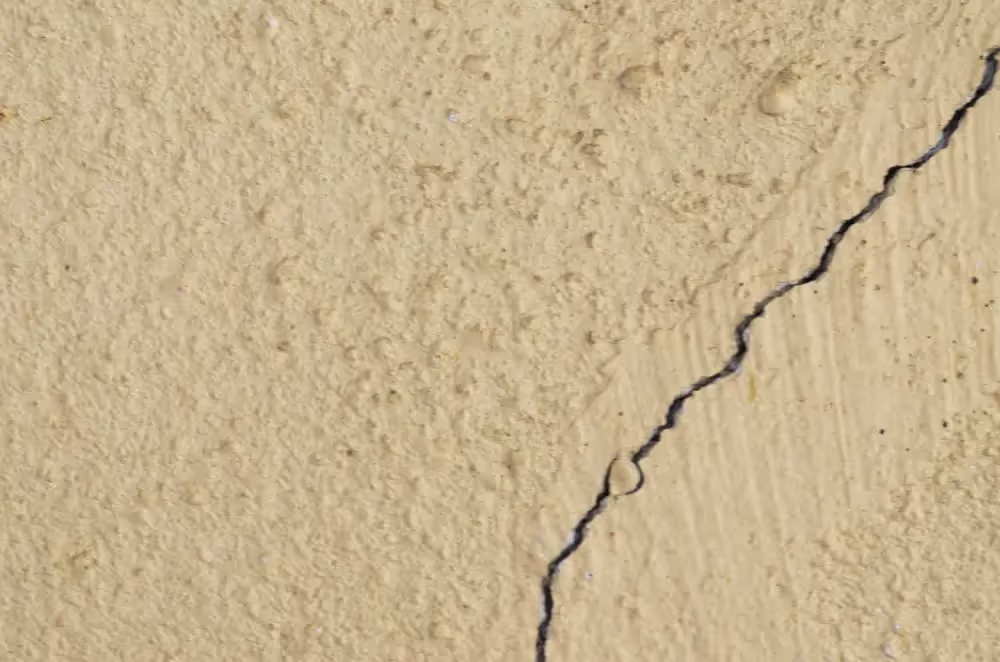
Surface damage is often the first visible indication that stucco may need attention. Over time, natural settling, temperature fluctuations, and weather exposure can cause minor imperfections to appear.
Examples of surface-level warning signs include:
- Large or widening cracks
- Stair-step cracking patterns
- Bulging or bowing areas
- Crumbled or flaking texture
Hairline cracks can be quite common on traditional cement stucco systems. However, cracks wider than 1/8 inch or cracks that continue to expand may signal structural movement or underlying moisture problems.
Tip: Keeping an eye on surface changes helps prevent small cosmetic problems from becoming larger ones.
2. Moisture-Related Red Flags
As with cladding, stucco can deteriorate when water penetrates behind the surface. When water penetrates behind the surface, it can damage the underlying structure, insulation, or framing. Because this type of damage is often hidden, exterior clues may be subtle at first.
Common moisture-related warning signs include:
- Soft spots when pressed
- Mold or mildew growth
- Dark staining beneath windows
- Bubbling interior paint or drywall damage
- Cracked or missing sealant joints
- Missing or improperly installed flashings
Tip: Since moisture intrusion can escalate quickly, early stucco repair is essential. Prompt attention can dramatically extend how long stucco lasts and prevent more costly structural damage.
3. Structural Warning Signs
Structural issues typically develop after prolonged movement or untreated moisture exposure. If stucco separates from adjoining materials or cracks repeatedly, there may be stress within the framing or substrate below. These issues often require professional evaluation to determine whether repairs are localized or more extensive.
Structural warning signs may include:
- Separation around windows and doors
- Gaps where stucco meets trim
- Repeated cracking in the same areas
Tip: Schedule a professional inspection to assess the extent of repairs needed and prevent further deterioration.
Top Stucco Maintenance Requirements and Best Practices
While stucco is considered low maintenance compared to wood siding, it is not maintenance-free. Consistent stucco maintenance plays a significant role in stucco longevity. Here are some stucco care tips to make sure it lasts as long as possible:
Perform routine inspection.
Conduct a visual inspection at least once per year, checking for cracks, staining, and separation around penetrations such as vents and windows.
2. Address cracks and lining promptly.
Small cracks should be sealed promptly using elastomeric caulk or a patching compound. Resolving minor issues early prevents water from entering the surface.
3. Address Failed Caulking
Inspect and repair failed caulking joints as they arise to maintain a proper seal and prevent moisture intrusion.
4. Maintain proper drainage.
Moisture management plays a major role in determining how long stucco lasts. Even small leaks can escalate into structural damage if ignored. Reduce risks around the home by:
- Keeping soil below the weep screed at the base of the wall
- Ensuring grading slopes away from the foundation
- Preventing sprinklers from spraying directly onto exterior walls
- Keeping gutters and downspouts clear and functioning properly
5. Perform the correct cleaning methods
Routine cleaning prevents algae, mildew, and staining from degrading the finish.
Soft washing is generally the safest method because it uses low pressure combined with cleaning solutions that won’t force water behind the stucco.
Low-pressure pressure washing can be used carefully, but excessive pressure can damage surfaces or push moisture into cracks.
Protect Your Investment for Decades to Come
So, how long does stucco last? The true determinant of longevity isn’t just the material itself, but how well it’s maintained.
Consistent inspections, prompt stucco repair, and periodic cleaning all contribute to extending stucco lifespan. When proactively cared for, stucco remains one of the most durable and cost-effective exterior finishes available.
If you’re maintaining your property with long-term performance in mind, a well-installed stucco exterior can provide decades of protection, beauty, and value.
Elegant Enterprises specializes in professional stucco solutions to protect your investment. Contact us today to schedule a consultation and ensure your stucco performs as intended for years to come.
CCB# 154927 · 5,000+ projects · Est. 1998